SUPERB Antique Victorian Bronze Wax Hand Seal Sceau Peseau PUTTI SHAPE L@@K



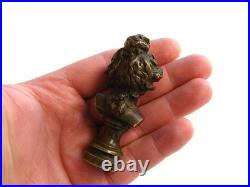







This is a lovely early Victorian period (circa 1840-40) antique bronze wax hand seal, likely of French origin, and in the shape of a putti a type of artistic cherub. Such sceaux were used to impress with wax seals formal documents or correspondence, and the cast bronze ones are particularly collectible. The "lost wax" casting of this solid bronze wax seal is simply superb, and the patina is second to none, in a delicious chocolate brown color.
The condition is exceptional, all throughout, with very little wear, and the seal die (or seal matrix) remains un-engraved. This is a substantial piece, at 3 inches high, and it is a heavy one for its size, weighing in at a. 7.8 ounces (or 220 grams). In artistic terms, putti (singular is putto) are chubby (often male) child figures, sometimes depicted with small wings, that appeared in a wide range of art from the Renaissance through the Baroque and Rococo periods.
Originating from classical antiquity, where similar figures represented playful spirits, fertility, or Cupid-like entities, putti were adapted in European art as both decorative and symbolic motifs. They are typically portrayed with round bodies and innocent expressions, engaged in activities such as holding garlands, musical instruments, or other allegorical objects, depending on the theme of the work. While often associated with mythological scenes, putti are distinct from cherubs in that they are primarily decorative and secular, though they can also convey spiritual or moral virtues in allegorical compositions.
In the decorative arts, putti frequently serve as playful or uplifting elements, adding movement, charm, and symbolic resonance to a piece. Their enduring appeal lies in their ability to combine visual delight with allegorical meaning, creating a bridge between artistic beauty and symbolic storytelling.
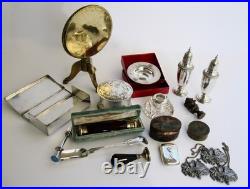
Today, putti remain a recognizable and cherished motif in art history, emblematic of the blend of classical inspiration, decorative elegance, and expressive symbolism that characterizes much of European art from the 15th through the 18th centuries. Be sure to also review the last photo in this listing, which shows all the other fantastic 18th and 19th century collectibles that I have listed this week, including a Georgian Scottish silver tea caddy, Georgian Scottish cheese spoon, a Victorian ruby red lay-down perfume bottle in its original case, a lovely Victorian sandwich box, a rare American coin silver mint julep cup, an 18th century French snuff box, a silver Queen Elizabeth Jubilee Armada Dish, lovely and rare wax seals, a trio of large chained wine labels, a rare golf silver vesta case, sterling silver salt and pepper shakers, beautiful blue Guilloché enameled ice tongs, a lovely hallmarked silver and crystal match striker, and a terrific 18th century brass candlestick stand!
I want to make you happy so feel free to ask me questions or ask for another photo if it's necessary - and I will do my very best to answer your questions within a 24-hour period!